
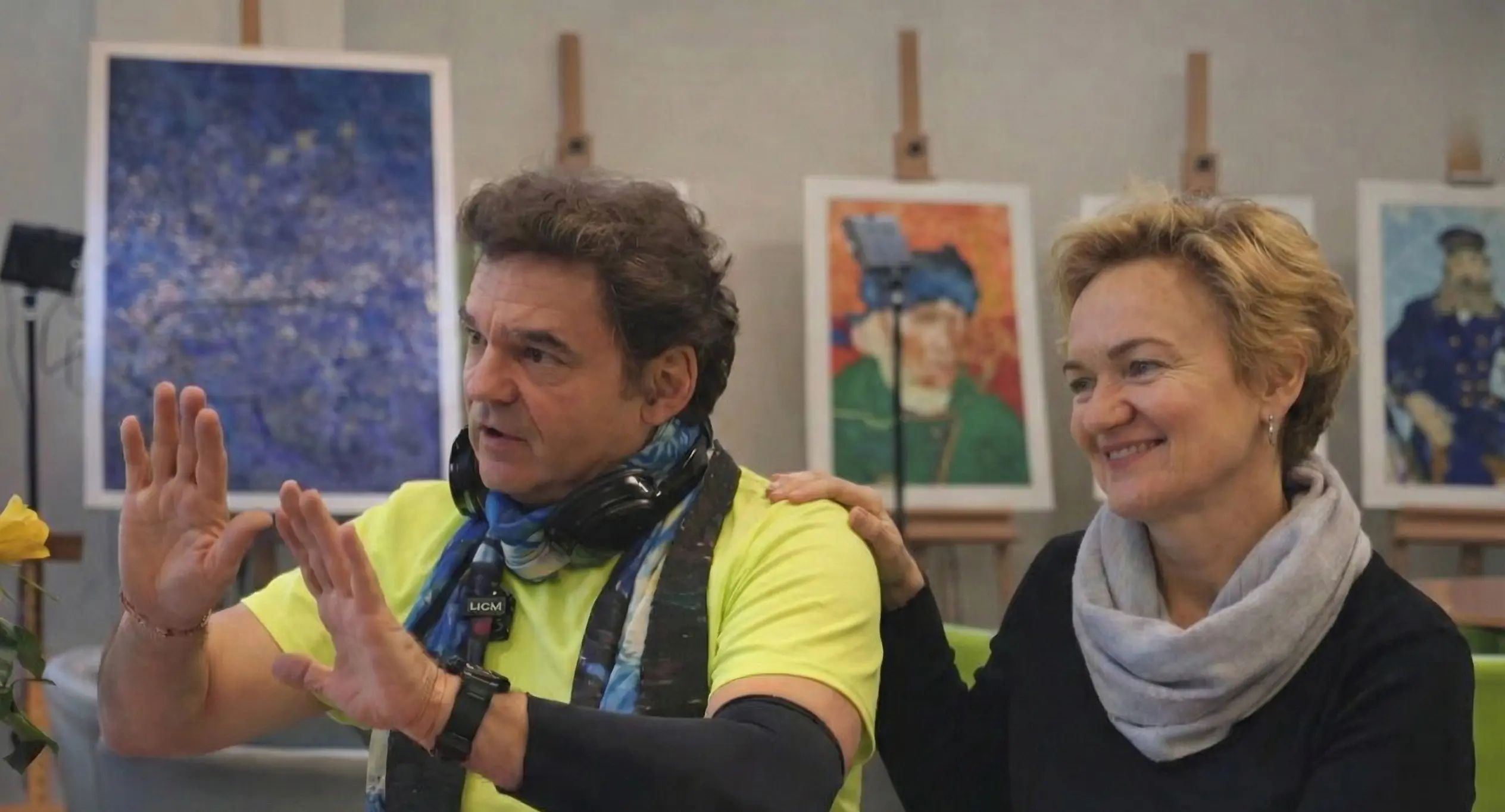
People behind the work
The Team
We already have a working multisensory artwork prototype. Now we refine the method, build further works, and prepare them for public cultural spaces — with accessibility as the foundation.
TEALDOT — Artist & Engineer
“Restless. Unruly. Uncontainable. Extraordinary. One of a kind. An individualist — and someone who can genuinely fascinate people.”
Motto: “My master is the brilliant Vincent van Gogh.”
TEALDOT is a painter-engineer who thinks in projects and builds in layers. As he puts it: “When something fascinates me, I design it in my head — and then that thought lands on the canvas.”
A pivotal moment came when he faced serious concerns about his eyesight. The fear of losing vision forced a deeper question: what does art mean if sight is no longer guaranteed?
“Losing my sight was my darkest scenario. It didn’t happen — thankfully. But that fear changed me. I realised art can be experienced through other senses.”
He began thinking about how blind people navigate the world: through touch, temperature, sound and memory. If a painting can carry structure that the hand can follow — if it can guide with warm and cool points — then art becomes navigable without relying on vision.
That reflection became the seed of XperiBase multisensory paintings — works that can be touched and explored safely, where selected elements carry temperature, the space can hold scent, and meaning can be accessed through sound via touch-activated narration.
“This is my new obsession: to ‘bring the sky closer’ to blind people — to let them feel, hear and smell what others only see.”
This is how the idea of artworks designed for people with disabilities was born: not as a technical gadget, but as a new artistic language — inclusive by design, and meaningful for everyone.
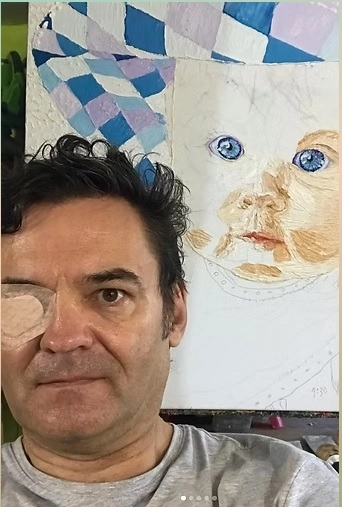
A defining turning point: fear of losing sight reshaped the work toward multisensory access.
A Practice Built for Touch
TEALDOT’s canvases are defined by strong, unique textures — designed so that the hand can “read” form, depth and movement. The artwork is not only seen; it is explored.
In the multisensory works, temperature adds another layer of meaning: selected areas warm up or cool down, turning colour into a physical sensation.
Each piece can also speak — through touch-triggered audio: a short narration about the artist’s intention and a complementary description generated with the support of AI, enabling accessible interpretation without screens.
The aim is practical and public: reduce exclusion, and offer everyone a deeper, more embodied way to engage with art — responsibly, safely, and in cultural spaces.
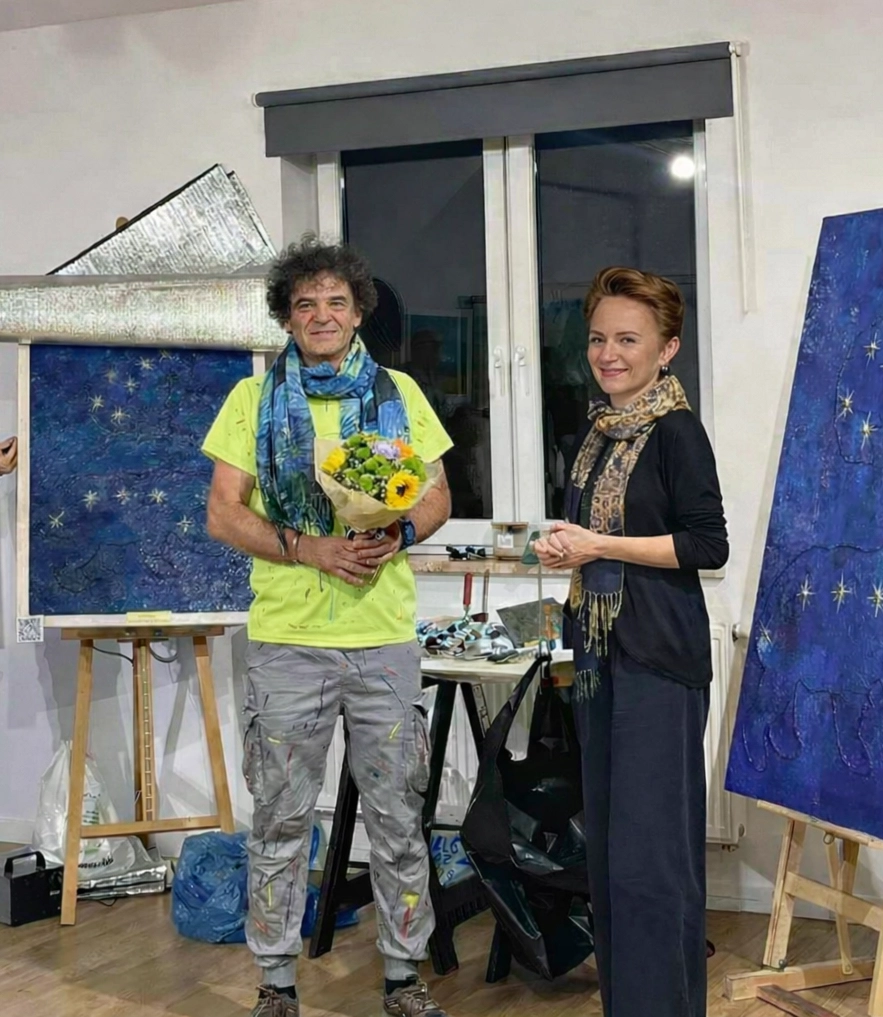
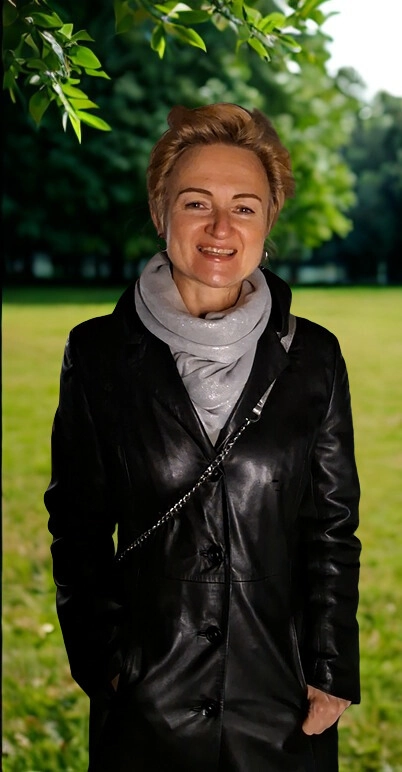
Iwona — Project Lead & Operations
Iwona ensures that TEALDOT’s strongest ideas become real, working outcomes. She supports the programme through organisation, planning, coordination and practical delivery.
In a project blending art, engineering and accessibility, operations is not “administration”. It is what turns a prototype into the next artworks — and what makes public pilots possible in real venues.
Her focus: clarity, pace and responsible delivery — so the work can be shown safely and meaningfully.
What We Are Doing Now
We have a working prototype. The next phase is refinement and expansion — building further works for public presentation, with structured testing and safe exhibition practice.
Priority
- Refine method and repeatability
- Build multiple multisensory artworks
- Public pilots in cultural spaces
Inclusive foundation
- Blind and partially sighted audiences
- Neurodivergent audiences
- Wider public, without “special sessions”
Work with us
We are seeking collaboration and funding to continue R&D and deliver public pilots. If you represent a gallery, accessibility organisation, university or fund — please get in touch.