
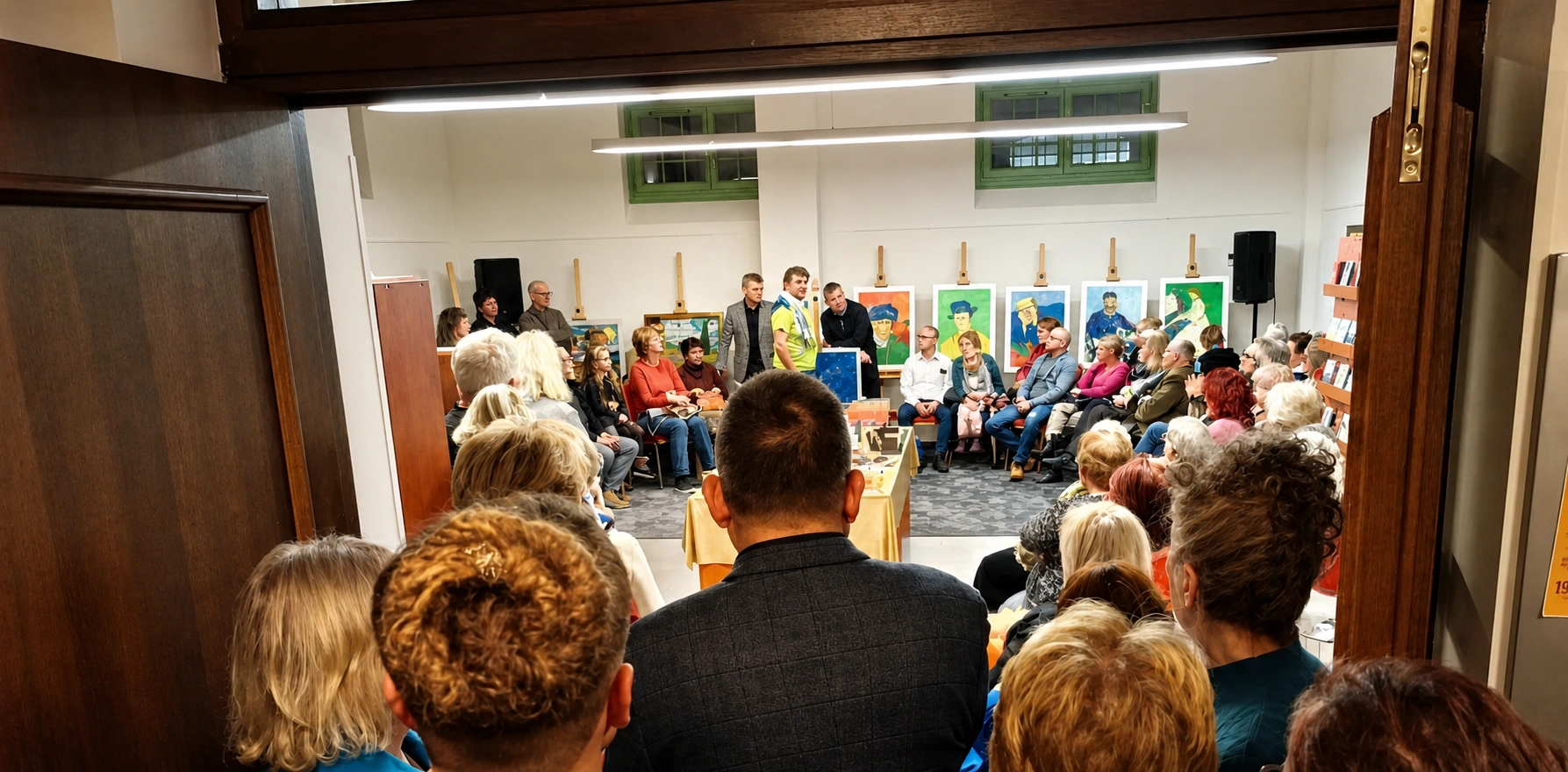
Multisensory Art
for a Deeper Human Experience
We create paintings and installations that invite touch, temperature, sound and scent — designed from the ground up for blind, partially sighted and neurodivergent people, and open to everyone.
Artist-led Art-Tech
Multisensory Art-Tech Platform
XperiBase is a multisensory Art-Tech platform and artist-led initiative that redefines painting as a physical, emotional and inclusive experience — a new artistic medium, not a technology demonstration.
Developed from Andy Sudol’s artistic practice and supported by experimental engineering, it uses touch, temperature, sound and scent as part of the artwork’s composition, meaning and emotional impact — not as added effects.
Its purpose is to expand the language of painting beyond vision, enabling blind, partially sighted and neurodivergent audiences to engage with art meaningfully, while offering all visitors a deeper, slower and more embodied encounter with culture.
Why reshape how art is experienced?
Most cultural spaces still assume that sight is the primary way into an artwork.
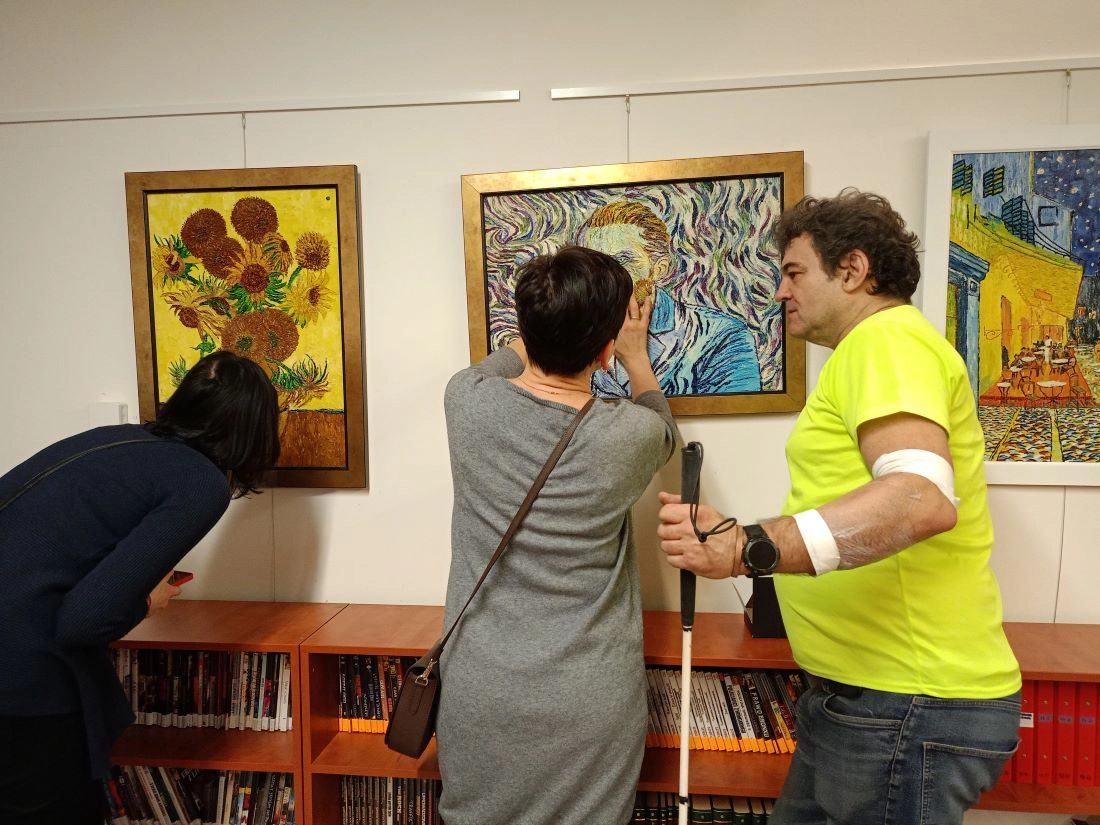
The “do not touch” rule protects artworks — but it can also exclude blind and partially sighted visitors, and limit people who understand the world through touch, movement and sensory cues.
At the same time, everyday life is saturated with screens. Many audiences are looking for slower, physical encounters — experiences that engage the whole body, not only the eyes.
XperiBase challenges the visual dominance of art by restoring physicality, sensory depth and shared access — with accessibility as the starting point.
How we build multisensory artworks
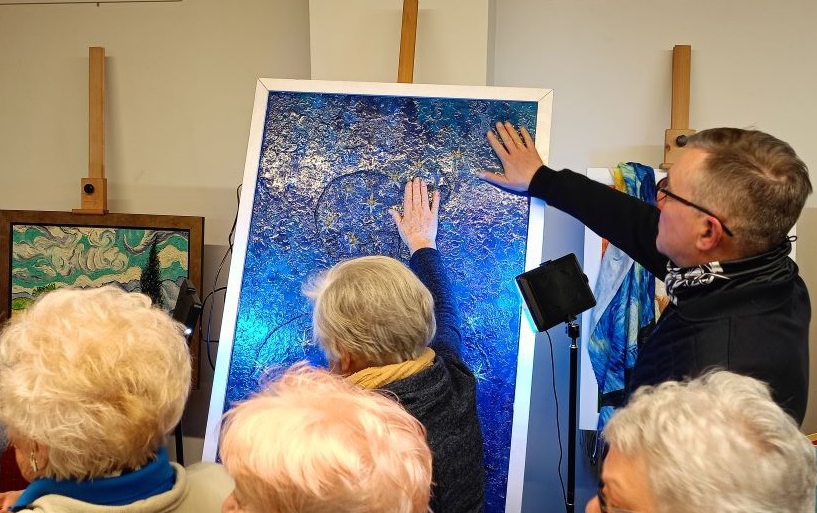
We start with the experience — how a hand moves, what feels clear, what feels gentle, what invites curiosity — and only then choose tools that can support that encounter. The technology stays behind the artwork; the human response stays in front.
Touch
Structural painting with distinct texture, created for safe, confident and meaningful exploration.
Temperature
Warmth and coolness add contrast, direction and atmosphere — a quiet, intuitive layer.
Scent
Subtle olfactory cues support imagination and memory without overwhelming the space.
Sound
Touch-triggered narration and soundscapes make the work accessible without screens or apps.
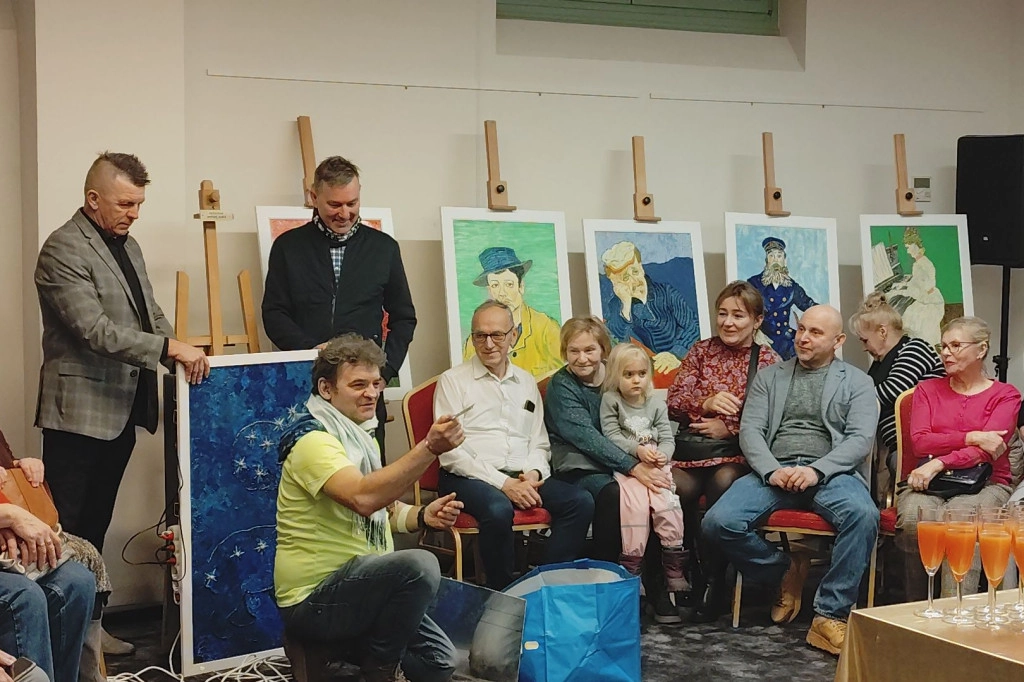
Inclusive by Design
Accessibility is not a feature we add later. It shapes the project from the first sketch, while keeping the experience open to the wider public. We design with:
- Blind and partially sighted people
- Neurodivergent and sensory-sensitive visitors
- Older adults and people living with cognitive change
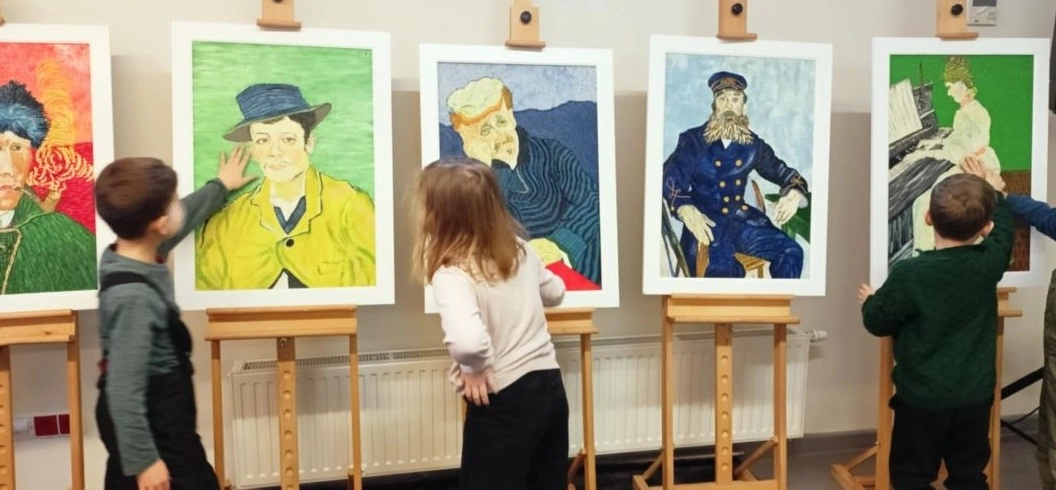
- Children in inclusive education
- The wider public — so the experience remains shared, not separated
"Accessibility is not an add-on. It is the foundation of the creative process."
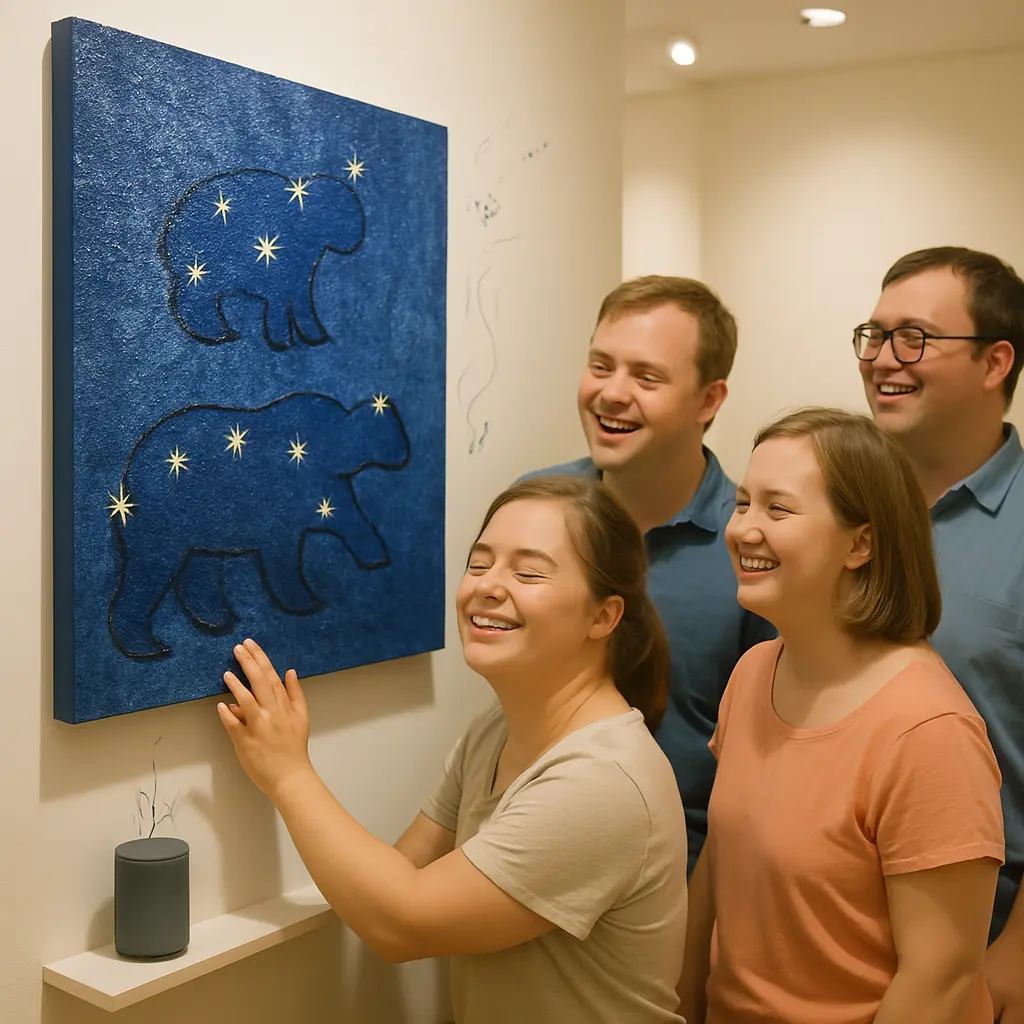
Co-Design in Practice
Our mission is not theoretical. We work with people — especially blind, partially sighted and neurodivergent participants — to understand how the artwork feels in real conditions.
We observe how hands move, where hesitation appears, what feels intuitive and what requires adjustment. Comfort, clarity, safety and sensory balance are shaped through these encounters.
Accessibility is not added at the end. It is tested, refined and embedded from the beginning.
A New Exhibition Standard
We believe the future of art is not simply more screens. It is a deeper, calmer and more embodied experience.
At XperiBase, technology is a quiet support — it helps the artwork speak through touch, temperature, scent and sound. It never replaces the artwork and never becomes the point.
Our aim is simple: multisensory accessibility should feel natural in cultural spaces — not exceptional, temporary or separate.
What this mission makes possible
Accessibility
Artworks that can be explored through touch and other senses — alongside others, not in separate “special sessions”.
Neurodiversity
Sensory-aware design that respects sensitivity and avoids overload through careful thresholds.
Shared infrastructure
A practical method that institutions can adopt and adapt — focused on artistic experience, not devices.
Learning & practice
Workshops and documentation that connect artistic practice, audience testing and responsible engineering.